
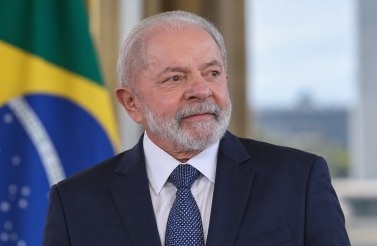
The call for a renewed focus on multilateralism and regional autonomy could reshape international relations and economic strategies in Latin America. Brazilian President Luiz Inácio Lula da Silva’s recent speech at the United Nations General Assembly highlighted the critical need for stronger international cooperation to address global conflicts and resist foreign interference in the region.
At the heart of Lula’s address was a passionate defense of multilateralism and a stark warning against the growing attacks on the United Nations. He emphasized that the UN Security Council’s current inefficacy has escalated global tensions, calling for a collective effort to resolve conflicts and prevent further warfare.
In a pointed critique of military actions in the Middle East, Lula condemned Israel’s offensive in Gaza, specifically denouncing the harm inflicted on civilians, including women and children. These remarks underscore Brazil’s stance on international military interventions and highlight Lula’s broader call for peaceful conflict resolution.
Turning to Latin America, Lula firmly rejected any external interference, asserting Brazil’s right to chart its own political and economic course. He stressed that Brazil would not be relegated to “anyone’s backyard,” urging for partnerships that prioritize development and advocate for greater regional integration. This stance comes amid tensions in Brazil’s relations with the United States, marked by ongoing trade disputes and discord over U.S. policies in the region.
Lula also addressed the situation in Venezuela, advocating for the Venezuelan people’s right to self-determination without external pressures driven by strategic interests. This sentiment aligns with Brazil’s broader policy of non-interference and respect for sovereignty within Latin America.
Reflecting on his long-standing relationship with the United Nations, Lula reminded the assembly of his history of delivering opening addresses since 2003, underscoring his commitment to international dialogue and cooperation. His speech serves as a clarion call for nations to engage in multilateral solutions to the pressing issues facing the global community today.