
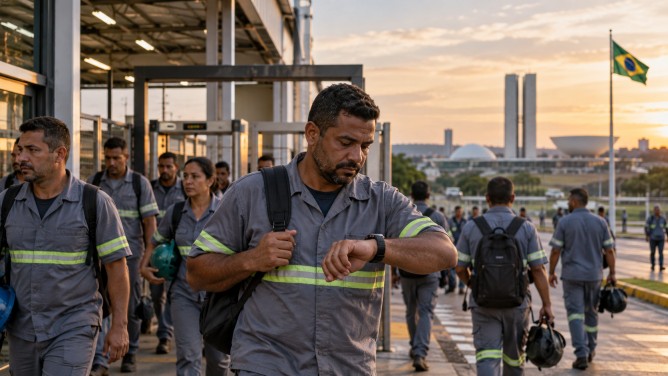
Brazil’s Congress has enacted a significant reform to reduce the maximum workweek from 44 to 40 hours, marking a major victory for President Luiz Inácio Lula da Silva as he approaches the presidential runoff on October 25. The reform, which could affect over 30 million workers, aims to improve work-life balance by eliminating the six-day workweek prevalent in sectors such as retail, restaurants, and hotels.
The constitutional amendment passed decisively in the Senate, with 75 senators voting in favor and just one against, after having cleared the lower house in May. The change is designed to offer workers more time for rest, family obligations, and personal pursuits, aligning with Lula’s commitment to enhancing workers’ quality of life. Lula’s support for the reform could bolster his campaign appeal, particularly among low-income workers who endure long hours with scant opportunities for relaxation.
Flávio Bolsonaro, Lula’s far-right opponent, initially opposed the proposal, citing potential unemployment risks. However, he reversed his stance before the Senate vote, acknowledging the public’s backing of the initiative. This shift reflects the widespread support for better balancing employment with personal life, a movement that originated from a grassroots campaign and subsequently garnered support from Lula’s political party.
Labor experts have highlighted the adverse effects of the current six-day workweek, which grants only one day off each week. They argue that this schedule contributes to worker fatigue, increases workplace risks, and limits social engagement, particularly impacting women who often shoulder significant unpaid domestic duties.
Although the Senate has approved the reform, its implementation will not be immediate. Following formal promulgation, there will be a 60-day period before the transition begins, initially reducing the working week to 42 hours and ultimately reaching 40 hours after an additional 14 months.
The timing of this decision is crucial as it comes amidst a heated presidential election campaign. The reform provides Lula with a tangible demonstration of progress on labor rights and economic welfare, potentially strengthening his position against Flávio Bolsonaro in the upcoming runoff.