
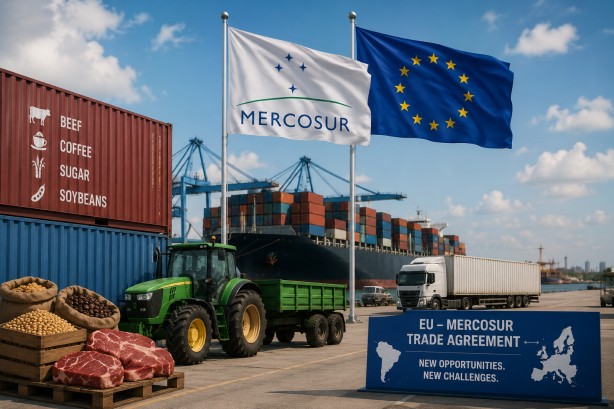
The European Union-Mercosur trade agreement has ushered in a new era of competition for producers in Brazil, Argentina, Uruguay, and Paraguay. While the deal grants these South American countries enhanced access to European markets, it simultaneously opens their own markets to an influx of European goods. Industries that have historically thrived under protectionist policies are now bracing for increased competition from European imports.
Among the most affected sectors are those involved in the production of wine, cheese, honey, and chocolate. Premium cheese makers, in particular, are facing stiff competition from well-established European brands. Additionally, new regulations concerning geographical indications are set to limit the use of certain European product names for goods produced outside Europe, although some existing users might receive exemptions.
Advocates of the agreement highlight its potential to bring broader benefits to the Mercosur region. They argue that by facilitating increased trade and investment, the deal could bolster Mercosur’s standing in the global economy and promote deeper cooperation among its member nations. Furthermore, the agreement might pave the way for Mercosur to forge additional trade partnerships with countries such as Canada, Japan, and the United Arab Emirates.
However, critics caution that the trade deal might exacerbate the region’s reliance on exporting raw materials, primarily benefiting larger agricultural and industrial enterprises over smaller producers. For smaller businesses, the emphasis is shifting toward enhancing their competitiveness and adapting to the evolving market landscape, as European products gain easier access to South American consumers.