
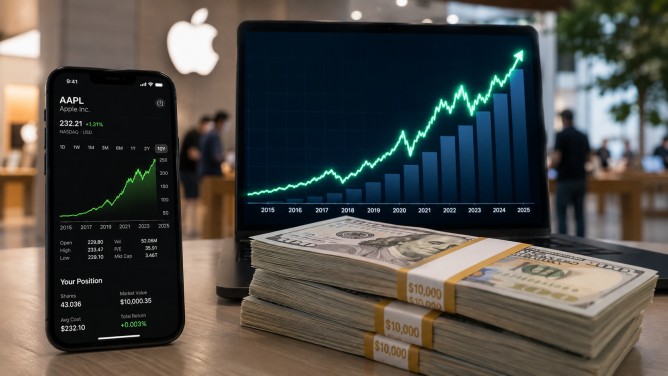
An investment of $10,000 in Apple back in August 2016 would have surged to approximately $126,000 today, provided the dividends were reinvested. This impressive growth, multiplying the initial investment by about 12.6 times, underscores Apple’s robust long-term market performance. The substantial rise in Apple’s share price played a crucial role in this increase, with the stock climbing from a split-adjusted $27 in 2016 to about $311 now. Even without the reinvestment of dividends, the investment would have grown significantly to around $115,000.
Apple’s earnings have witnessed substantial growth over the years. The company’s earnings per share have increased to roughly $8.72, a significant rise from just a quarter of that figure a decade ago. Contributing to this increase is Apple’s strategic reduction of its share count through extensive stock buybacks, enhancing the earnings per share. A pivotal factor in Apple’s stock appreciation has been its valuation shift. Back in 2016, the company was valued at approximately 13 times its earnings, a figure that has now increased to around 36 times its earnings. The dual impact of robust earnings growth and a higher valuation multiple has been instrumental in driving these gains.
Looking ahead, achieving a similar performance over the next decade might be challenging for Apple. The company’s current valuation suggests limited potential for another significant expansion in its price-to-earnings ratio, indicating that future returns will likely be more dependent on sustained growth in earnings. Apple’s potential for continued growth could be bolstered by advancements in artificial intelligence, the introduction of new products, and its extensive installed user base. However, as the company has grown substantially larger, achieving rapid earnings growth will necessitate even more substantial increases in both revenue and profits.
For investors with a long-term focus, Apple’s performance over the past decade exemplifies the powerful combination of business growth, share buybacks, and valuation expansion. However, looking forward, the company’s future returns will hinge more on the pace at which its profits can continue to grow, highlighting a shift in the dynamics of potential gains.