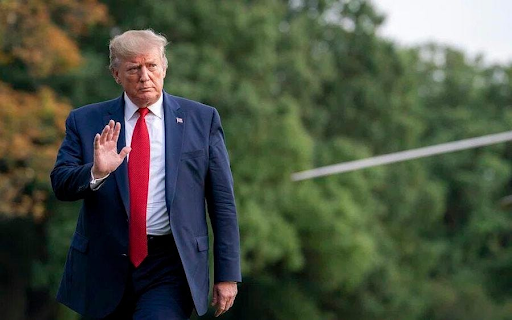
President Donald Trump is attempting to impose an accelerated timeline on Ukraine-Russia peace negotiations, publicly warning Thursday that delays in reaching agreement could prove costly for Ukrainian interests. Speaking from the Oval Office, Trump emphasized that Russia’s engagement in diplomatic discussions should not be taken for granted, suggesting that prolonged negotiations without resolution could prompt Moscow to revise its positions in ways detrimental to Ukraine’s objectives.
Trump’s emphasis on timing over thoroughness represents a deliberate choice to prioritize speed in peace negotiations, even if that means accepting imperfect terms. The president’s calculus appears based on an assessment that current conditions create a more favorable negotiating environment than may exist in the future, making swift action preferable to extended deliberation. By making this assessment public, Trump applies pressure on Ukraine while also managing expectations among domestic audiences about the likely contours of any eventual settlement.
The weekend brings high-stakes diplomatic meetings in Miami between Trump’s envoys and Russian officials, following intensive Berlin consultations with Ukrainian representatives. Steve Witkoff and Jared Kushner will lead American efforts to gauge Russian flexibility on key issues, bringing insights from their Ukrainian discussions to inform their approach with Moscow. The rapid succession of meetings across multiple cities reflects the administration’s commitment to maintaining momentum and preventing negotiations from stalling.
Ukrainian President Zelensky and US officials have offered generally encouraging assessments of recent negotiating sessions, suggesting meaningful dialogue has occurred. However, Ukraine’s position on territorial integrity remains unchanged and non-negotiable: no peace agreement will legitimize Russian control over any Ukrainian sovereign territory. Ukrainian leadership has been particularly emphatic about the Donbas region, declaring it off-limits for concessions despite Russia’s military presence in portions of the area and its political investments since 2014.
Russia’s negotiating framework demands exactly what Ukraine refuses to consider—formal recognition of territorial changes achieved through military force. Moscow currently controls Crimea, annexed in 2014, and exercises varying degrees of authority over portions of Donetsk, Luhansk, Zaporizhzhia, and Kherson following the 2022 invasion. Beyond seeking recognition of these occupations, Russia insists on complete Ukrainian military withdrawal from all of Donbas, including territories currently under Kyiv’s control. US officials familiar with the negotiations report that Russian delegates have shown minimal interest in moderating these core territorial demands. Trump’s attempt to impose an accelerated timeline on negotiations confronts the reality that the primary obstacle is not insufficient time for deliberation but rather fundamentally incompatible positions on the central question of territory, suggesting that speed alone may not overcome the core impasse preventing agreement.
Trump’s Timeline: President Sets Urgent Pace for Ukraine-Russia Peace Process