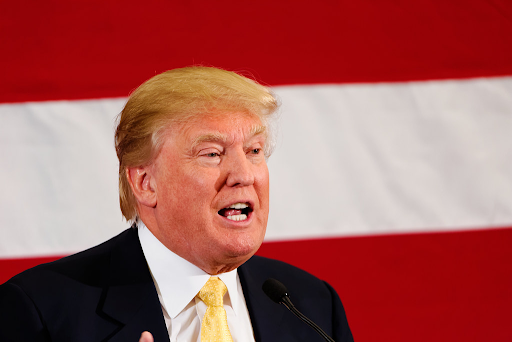
President Trump’s proclamation of a $100,000 annual H-1B visa fee will have a significant and potentially devastating ripple effect on American universities and the international students they seek to attract. For decades, one of the main draws of a U.S. education has been the opportunity to gain work experience and potentially a long-term career in the country after graduation through programs like the H-1B.
This new policy severely diminishes that prospect. International students, who often pay full tuition and are a major source of revenue for universities, may now question the value of a costly American degree if the path to employment is blocked by a six-figure visa fee. They may opt instead to study in countries like Canada or Australia, which offer more direct and affordable pathways to post-graduation work.
This could lead to a decline in international student enrollment, impacting the financial health of many U.S. universities and reducing the cultural diversity on campuses. It also shrinks the pool of highly skilled, U.S.-educated graduates available to American companies, a pool that the administration itself claims it wants to prioritize.
The administration’s message to “train one of the recent graduates” rings hollow if the policies in place actively discourage the world’s brightest students from coming to U.S. universities in the first place. The H-1B program has traditionally been a key link in the chain that converts foreign students into valuable contributors to the U.S. economy.
The policy is also being challenged on legal grounds, but the damage from the announcement alone could be lasting. The perception that the U.S. is closing its doors to global talent could be difficult to reverse, potentially harming the long-term competitiveness of both the American higher education system and the industries that rely on its graduates.
The Ripple Effect on American Universities and Foreign Students