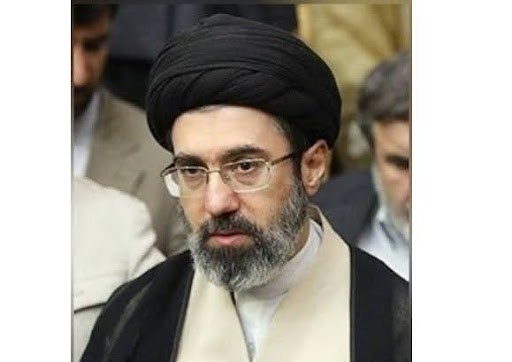
The Islamic Revolutionary Guards Corps was among the first to pledge its allegiance to Mojtaba Khamenei after the Assembly of Experts confirmed him as Iran’s new supreme leader on Sunday. The IRGC’s declaration, quickly joined by the armed forces command and parliamentary leadership, signaled that the military backbone of the Islamic Republic was firmly behind the son of the late Ayatollah Ali Khamenei. These pledges are politically crucial given the IRGC’s central role in defending — and defining — the regime.
Mojtaba, 56, has cultivated his relationship with the IRGC over many decades. Despite never holding formal office, he is regarded as a trusted figure within the guards’ senior leadership, having managed political access to his father and shaped key appointments over the years. His closeness to the IRGC means that his appointment as supreme leader effectively consolidates the ideological and military wings of the regime under a shared vision.
Iranian state media framed the transition as a moment of unity and strength. Statements from key officials described Mojtaba’s appointment as both a religious obligation and a national necessity. Ali Larijani, one of Iran’s most prominent security figures, said the new leader had the capacity to guide Iran through its current sensitive conditions. Parliament’s speaker issued a similar endorsement, reinforcing the message of institutional coherence.
Outside Iran, the reaction was sharply polarized. The Houthi rebel movement in Yemen celebrated the appointment, framing it as a defeat for the enemies of the revolution. Israel responded with new military strikes on Iranian infrastructure on Monday, extending its campaign against the regime. Iran attacked Gulf states, killing two civilians in Saudi Arabia and damaging a desalination plant in Bahrain. The IRGC threatened to push oil prices above $200 a barrel.
For the IRGC, the appointment of a trusted ally to the supreme leadership position is a significant political win. It ensures continuity of the hardline ideology that has defined the guards’ operations and insulates their leadership structure from potential reform. Whether this concentration of power proves to be a source of stability or rigidity for Iran in a rapidly shifting strategic environment remains to be seen.
Mojtaba Khamenei Named Iran’s Supreme Leader, Pledges From IRGC Follow Swiftly