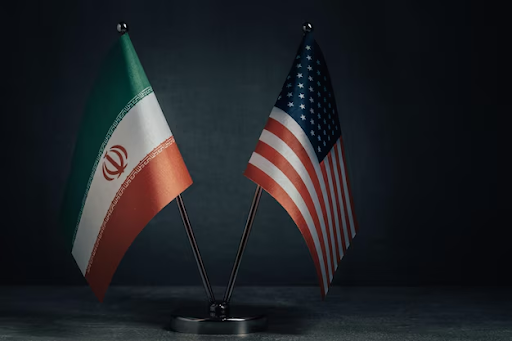
The ghost of the 2015 nuclear agreement — formally known as the JCPOA — haunts every conversation in Geneva. Iran signed that deal, accepted significant constraints on its nuclear program, and watched the United States unilaterally withdraw from it years later. That history makes Tehran’s negotiators simultaneously eager for a deal and deeply suspicious of American commitments.
Iran’s foreign minister described Tuesday’s talks as “more constructive” than the first round and said both sides had agreed on guiding principles. The process is moving — slowly — toward a potential new agreement. But Iranian officials are keenly aware that any deal must be structured in a way that protects Tehran from the kind of abrupt reversal it experienced before.
This concern likely informs Iran’s insistence on retaining its domestic enrichment capacity. If Iran can enrich uranium, it maintains leverage even if sanctions return. If it gives up enrichment entirely — as the US demands — it would be left with nothing if a future American administration walks away again. The asymmetry of that risk helps explain why the enrichment question is so immovable.
The IAEA verification question is equally charged with historical memory. Iran allowed inspectors access under the 2015 deal and argues that it was the US, not Iran, that broke the agreement. It is therefore understandably cautious about extending verification rights beyond what a new deal explicitly requires — even as the international community demands more intrusive access in light of Iran’s subsequent nuclear advances.
The third meeting, expected in two weeks, will begin to test whether both sides can move from guiding principles to concrete commitments — and whether the trust deficit created by 2015 can be managed sufficiently to allow a new agreement to take shape.
Iran-US Talks: The Long Shadow of 2015 Shapes a New Nuclear Negotiation