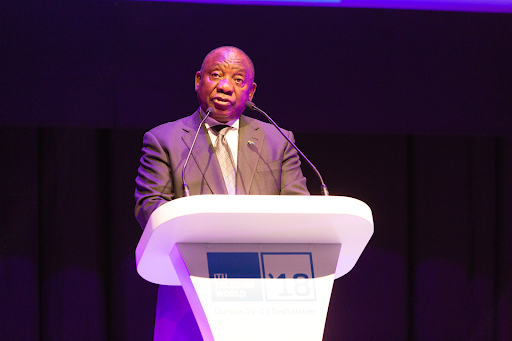
The G20 summit in Johannesburg is now likely to see US participation, as South African President Cyril Ramaphosa confirmed the United States is reconsidering its earlier boycott. This last-minute development validates South Africa’s defense of multilateral processes against powerful external pressure. Ramaphosa did not, however, confirm if President Donald Trump would be present at the highly anticipated event.
The diplomatic crisis began with President Trump’s claims alleging discrimination, violence, and land seizures targeting white Afrikaner farmers in South Africa. The host nation’s government consistently and forcefully denied these claims, labeling them as baseless and politically motivated interference designed to undermine the African-hosted summit.
Speaking with European counterparts, Ramaphosa expressed optimism about the US reversal, calling it a “positive sign” for international dialogue. He firmly asserted his belief that diplomatic boycotts are generally ineffective. He reiterated his call for inclusive global cooperation, emphasizing that South Africa’s G20 agenda is squarely focused on the vital economic interests of developing economies.
The most serious challenge to the summit’s integrity was the US diplomatic note suggesting the G20 could not produce a unified final statement without American attendance. South Africa condemned this as outright coercion, arguing it was a direct threat to the core principles of multilateral decision-making. Officials were clear that this tactic by an absent country set an unacceptable international precedent.
Ramaphosa concluded by affirming South Africa’s commitment to consensus-building among all G20 members. While acknowledging the US’s future role as G20 president, he stressed that the forum’s enduring legitimacy is fundamentally tied to its inclusivity and the pursuit of collective solutions, rather than submitting to the unilateral pressure of any single nation.
Defining Legitimacy: G20’s Mandate Upheld Against Absentee Veto