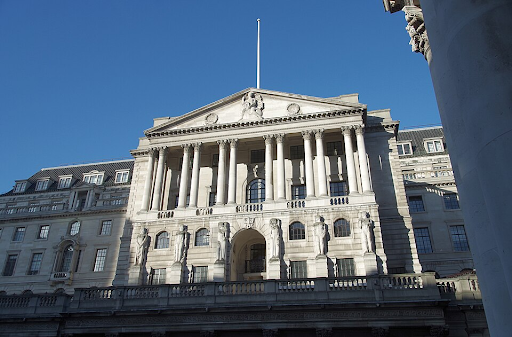
While the City analyzes basis points and yield curves, the Trades Union Congress (TUC) has issued a blunt verdict on the Bank of England’s rate cut: it’s a good start, but it’s not enough. General Secretary Paul Nowak’s call for a “sequence of quickfire and substantial rate cuts” reflects the urgent anxiety felt by workers in a stalling economy.
The TUC’s position is that the Bank has been too obsessed with inflation for too long, at the cost of jobs and livelihoods. With the economy shrinking and demand stagnant, unions fear that without aggressive monetary easing, layoffs will begin to mount in 2026. They argue that a 3.75% rate is still restrictive and acts as a drag on growth.
This creates a tension between labor representatives and the central bank. The Bank is terrified of a wage-price spiral (where higher wages cause higher inflation), while unions are terrified of a recessionary spiral (where job losses cause lower spending and more job losses). The 5-4 vote split shows that even inside the Bank, this debate is raging.
Nowak’s comments serve as a warning to the government. If the economy doesn’t pick up, the blame will fall on the Chancellor and the Bank. The unions are effectively demanding a stimulus package via lower interest rates. They want cheaper money to flow into businesses so they can invest and hire, rather than cut back.
As 2026 approaches, the voice of organized labor will likely get louder if the “fragile economy” cracks. They will push for the Bank to ignore the “hawks” and prioritize employment. This rate cut is a small victory for their worldview, but the war for a growth-focused policy is far from won.
The Union Verdict: “One Cut Is Not Enough”