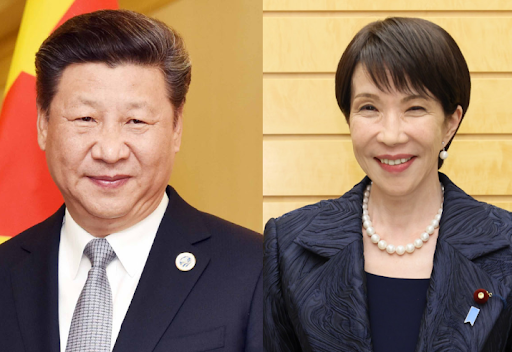
The diplomatic crisis between Japan and China threatens to reshape Northeast Asian tourism patterns, with South Korea potentially maintaining its unexpected position as Japan’s top source of international tourists as Chinese arrivals decline due to travel advisories. China had been on track this year to reclaim the pre-pandemic position it held before 2020, when it was consistently Japan’s largest source of visitors, but the current diplomatic tensions may extend South Korea’s tenure at the top of tourism rankings.
The implications extend beyond tourism statistics to broader economic relationships and regional dynamics. With over 8 million Chinese visitors in the first ten months of this year representing 23% of all arrivals, the potential reduction in Chinese tourism due to advisories warning about alleged safety concerns could fundamentally alter the composition of Japan’s international visitor market. Economist Takahide Kiuchi projects that reduced Chinese tourism could cost Japan approximately $11.5 billion and reduce annual economic growth by 0.3 percentage points.
The crisis stems from Prime Minister Sanae Takaichi’s characterization of potential Chinese military action against Taiwan as a possible “survival-threatening situation” for Japan that could necessitate military involvement. Following these remarks, China implemented a comprehensive pressure campaign including travel advisories, cultural restrictions, and implicit threats regarding strategic trade relationships. The pattern mirrors tactics employed during the 2012 territorial dispute when Chinese tourist numbers fell by approximately one-fourth.
Small businesses throughout Japan that had invested in catering to Chinese tourists now face uncertain futures. Traditional cultural experiences, hospitality services, and retail establishments designed to serve Chinese preferences are experiencing mass cancellations. Rie Takeda, who operates a tearoom in Tokyo’s Asakusa district that typically welcomes 3,000 Chinese visitors annually, has lost 200 bookings and hopes for recovery by Chinese New Year in February, though historical precedents suggest longer recovery periods.
The diplomatic impasse shows no signs of early resolution, with China demanding retraction of what it terms “erroneous remarks” and explicit Japanese commitment to the “One China” principle, while Japan maintains its position represents consistency with the 1972 joint statement that normalized relations. International relations experts note that domestic political constraints in both countries make compromise difficult. If the crisis proves prolonged, South Korea may cement its position as Japan’s top tourist source, representing a significant shift in regional tourism patterns driven not by market preferences but by diplomatic tensions over Taiwan.
South Korea’s Position as Top Tourist Source to Japan Threatened by China Dispute