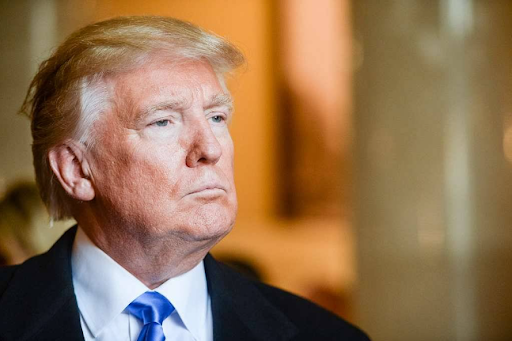
Beyond the handshakes and diplomatic speeches of President Donald Trump’s Mideast visit lies a challenge of staggering proportions: the reconstruction of Gaza. The recent war has left the territory in ruins, and any lasting peace will depend on a Herculean effort to rebuild not just buildings, but the very fabric of society for its 2 million inhabitants.
The sheer scale of the destruction is difficult to comprehend. Entire neighborhoods have been flattened, and critical infrastructure—including hospitals, schools, water treatment plants, and power grids—has been destroyed or severely damaged. The process of clearing rubble, let alone rebuilding, is expected to take many years and cost tens of billions of dollars.
President Trump has made reconstruction a central theme of his peace plan, proposing that wealthy Arab nations should finance the effort. “Gaza is going to be rebuilt,” he stated confidently, pointing to the immense wealth of regional Gulf states. His summit in Egypt will be a crucial forum to secure the financial pledges needed to even begin this process.
However, money is only part of the equation. A successful reconstruction effort requires a stable political and security environment, which does not yet exist. Unresolved questions about who will govern Gaza and whether Hamas will be allowed to rearm create massive uncertainty for potential donors and investors.
The US is attempting to lay the groundwork with a new civil-military coordination center to manage aid and logistics. But until a durable political settlement is reached, the international community faces the risk of rebuilding a territory that could be destroyed again in a future conflict. The long-term recovery of Gaza depends as much on diplomacy as it does on dollars.
Rebuilding Gaza: A Herculean Task Awaits