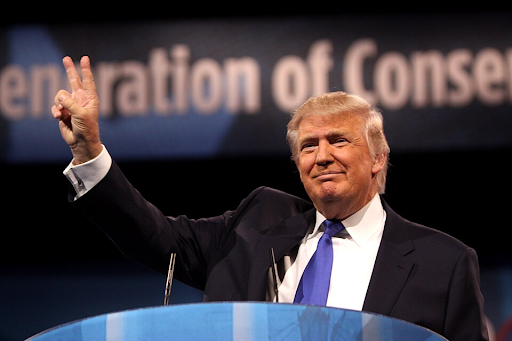
President Donald Trump’s latest ultimatum has created a sharp dilemma for NATO: should the alliance appease the U.S. president by enacting a painful and divisive full embargo on Russian oil, or risk a weaker and less engaged American stance on sanctions? This is the central question facing the alliance after Trump’s weekend announcement.
The President’s terms, laid out on Truth Social, are stark. He is prepared to impose “major Sanctions” on Russia, but only if he gets a unanimous and complete oil boycott from every NATO member first. This condition puts allies like Hungary and Turkey, who rely on Russian energy or trade, in a particularly tight spot.
Further complicating the dilemma, Trump has also asked the alliance to join him in a trade confrontation with China. His proposal for a 50% to 100% collective tariff on Chinese goods would be a radical step for NATO, escalating economic tensions globally and forcing members to align with the U.S. against Beijing.
The alliance is now caught between the economic reality of its members’ energy needs and the political reality of a demanding U.S. president. Their choice will not only shape the future of sanctions against Russia but could also define the nature of the transatlantic relationship for years to come.
NATO’s Dilemma: Appease Trump with Oil Ban or Risk Weaker US Stance?