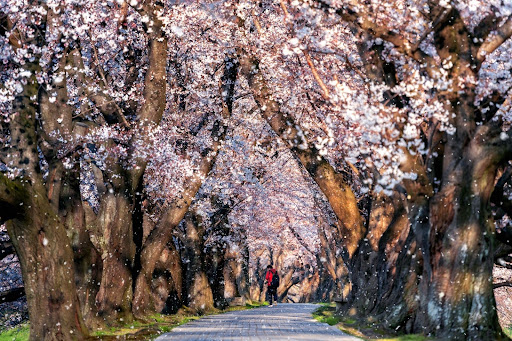
India’s mountain regions follow a different calendar than the rest of the world — one measured not in months but in blossoms. From the first delicate plum flowers that appear in Himachal Pradesh’s Kullu Valley to the candy-floss pink of Shillong’s autumn cherry blossoms, the country’s blossom season is a journey through nature’s most beautiful and fleeting moments. This is the calendar that India’s most passionate travelers live by, and right now it is showing some of its most spectacular pages.
The Kullu Valley’s Dobhi village in Himachal Pradesh opens nature’s blossom calendar each spring with a sequential display that begins with pink apricot and peach flowers and transitions through white plum blossoms to apple flowers. Each variety lasts only days at its peak, creating a rolling wave of beauty that moves through the orchards over the course of several weeks. Those who time their visit to catch the white plum blossom phase — the brief moment when bare winter trees are suddenly draped entirely in white — describe the experience as one of the most moving encounters with the natural world available anywhere in India.
Uttarakhand’s Kasar Devi in Almora marks the next chapter of the mountain blossom calendar, with wild Himalayan cherry and peach blossoms appearing between late February and March. The Himalayan backdrop — snow-capped peaks against a deep blue sky, framing the delicate white and pink flowers — creates a landscape of almost painful beauty. The red rhododendron flowers that appear alongside the cherry and peach blossoms add a bold chromatic accent that takes the visual experience from merely beautiful to truly extraordinary.
Srinagar’s Mughal gardens mark the arrival of spring in Kashmir’s blossom calendar, with cherry blossoms appearing from late March to early April in a setting of historic grandeur. The progression from almond blooms to cherry blossoms to tulips in the famous Indira Gandhi Memorial Tulip Garden creates a sequence of visual spectacles that keeps the valley in constant bloom through much of spring. The cultural traditions of the city — including the families who gather to watch the blossoms fall along Dal Lake — give the seasonal calendar a human warmth that deepens its meaning.
Ladakh’s Apricot Blossom Festival in April and Shillong’s Cherry Blossom Festival in November are the final entries in India’s mountain blossom calendar — one marking the height of spring in the high Himalayas, the other inverting seasonal convention in the northeast. Together, the five destinations create a natural calendar of extraordinary richness and beauty, reminding travelers that the mountains of India are not just dramatic landscapes but living, flowering, constantly changing expressions of natural magic.
The Seasonal Magic of India’s Mountain Blossoms: A Journey Through Nature’s Calendar