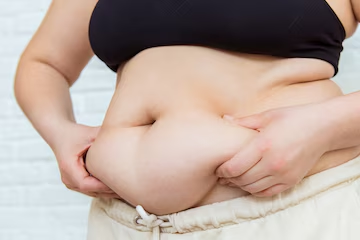
Weight management conversations typically center on caloric balance and exercise frequency. While these factors have relevance, medical experts specializing in digestive and metabolic health emphasize a more fundamental consideration: whether your abdominal fat represents relatively harmless subcutaneous deposits or dangerous visceral accumulation that actively threatens organ function.
The distinction becomes apparent through straightforward tactile assessment. Place both hands on your midsection and apply moderate pressure across different areas. Soft tissue that compresses easily and can be gathered in folds indicates subcutaneous adipose deposits—the type that accumulates just beneath your skin’s surface. This fat layer functions primarily as energy reserves and provides thermal insulation and mechanical protection. Though carrying excess amounts isn’t optimal for overall health, subcutaneous fat doesn’t directly drive metabolic disease processes.
A hard, resistant sensation despite visible abdominal protrusion indicates something far more problematic: visceral fat infiltration of your abdominal cavity. This fat surrounds and embeds itself within and around your internal organs. Your liver becomes encased in adipose tissue, your pancreas sits embedded in fatty deposits, and your intestines are wrapped in metabolically active fat that constantly releases harmful substances into your bloodstream.
Visceral fat’s metabolic activity distinguishes it from subcutaneous stores. It constantly secretes inflammatory cytokines, free fatty acids, and adipokines that create systemic inflammation and disrupt normal insulin signaling. Your muscle cells, liver cells, and fat cells all become progressively resistant to insulin’s effects, forcing your pancreas to produce compensatory higher amounts. This state of hyperinsulinemia eventually fails as pancreatic capacity becomes exhausted.
Blood glucose regulation deteriorates through prediabetes toward type 2 diabetes. Your liver develops fatty infiltration that progresses through stages of non-alcoholic fatty liver disease, potentially advancing to inflammation, fibrosis, and cirrhosis. Blood vessels throughout your body experience inflammatory damage that promotes atherosclerotic plaque formation and arterial stiffening. Blood pressure rises through multiple mechanisms. The path to metabolic healing involves sustainable lifestyle optimization: protein-rich whole food nutrition, regular physical activity you can maintain long-term, and treating sleep as essential medicine for hormonal regulation.
The Hard Belly Phenomenon: Understanding Fat That Attacks Your Vital Organs